WhyCatholic explores the biblical and historical roots of the Church Christ established—the Church that existed before denominations competed with one another.
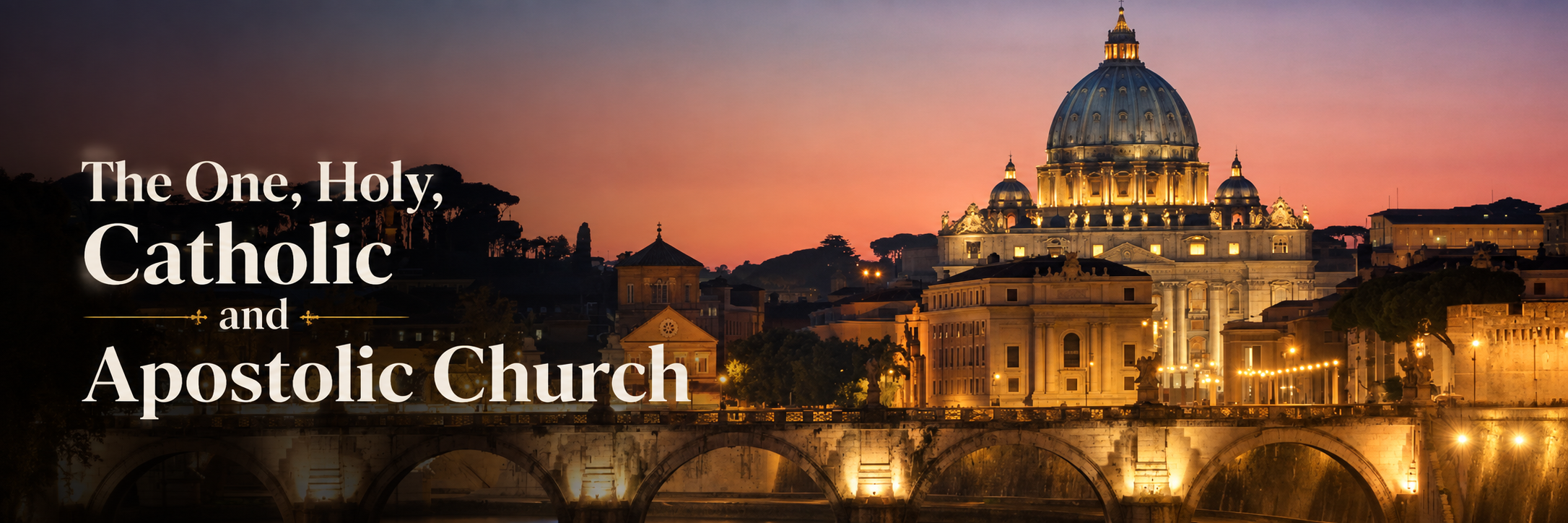
Scripture describes one body, one Spirit, one Lord, one faith and one baptism (Ephesians 4:4–5), a Church built upon the foundation of the apostles with Christ Himself as the cornerstone (Ephesians 2:20). The early Church would later summarize these biblical characteristics in the familiar words of the Creed: one, holy, catholic—meaning universal—and apostolic Church.
The question, then, is not whether the Catholic Church appeared centuries after Christianity began. The more fundamental question is whether the Church we see in history can be traced back to Christ and the apostles.
If Jesus established a Church, the question is not simply what the Bible says. The question is also: Who has the authority to tell us what Christianity teaches?WhyCatholic explores the biblical and historical case for the Catholic Church—not simply by asking what Catholics believe, but why they believe it. Jesus did not leave Christianity without guidance. He chose apostles, commissioned them to teach, and promised to remain with His Church until the end of the age. Just before His Ascension, Jesus told His apostles:
"go ye, teach all nations: baptizing them in the name of the Father and of the Son and the Holy Ghost, teaching them to observe all things whatsoever I have commanded you; and lo, I am with you all days, even to the consummation of the world (Mt 28:19-20)

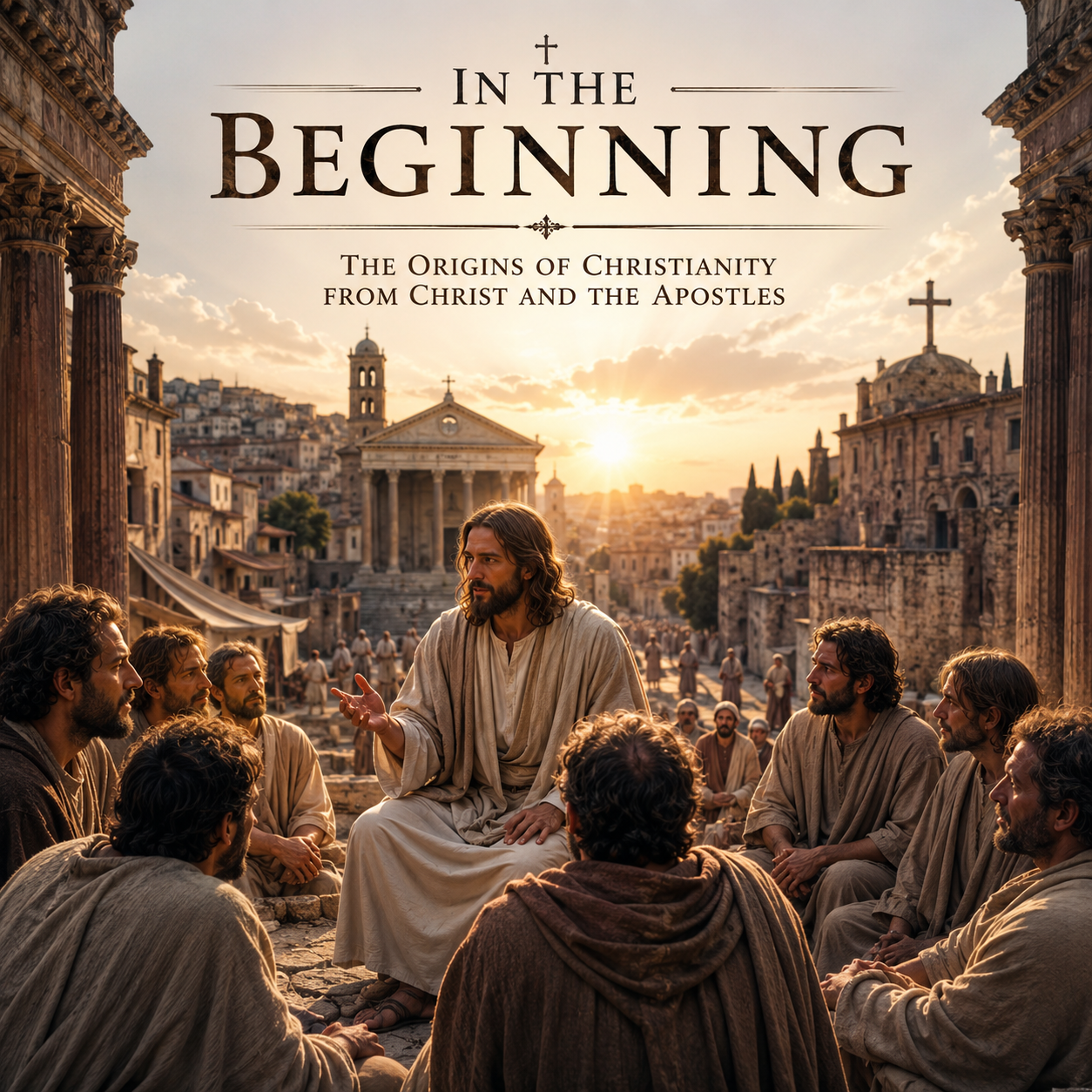
The Church Christ Established
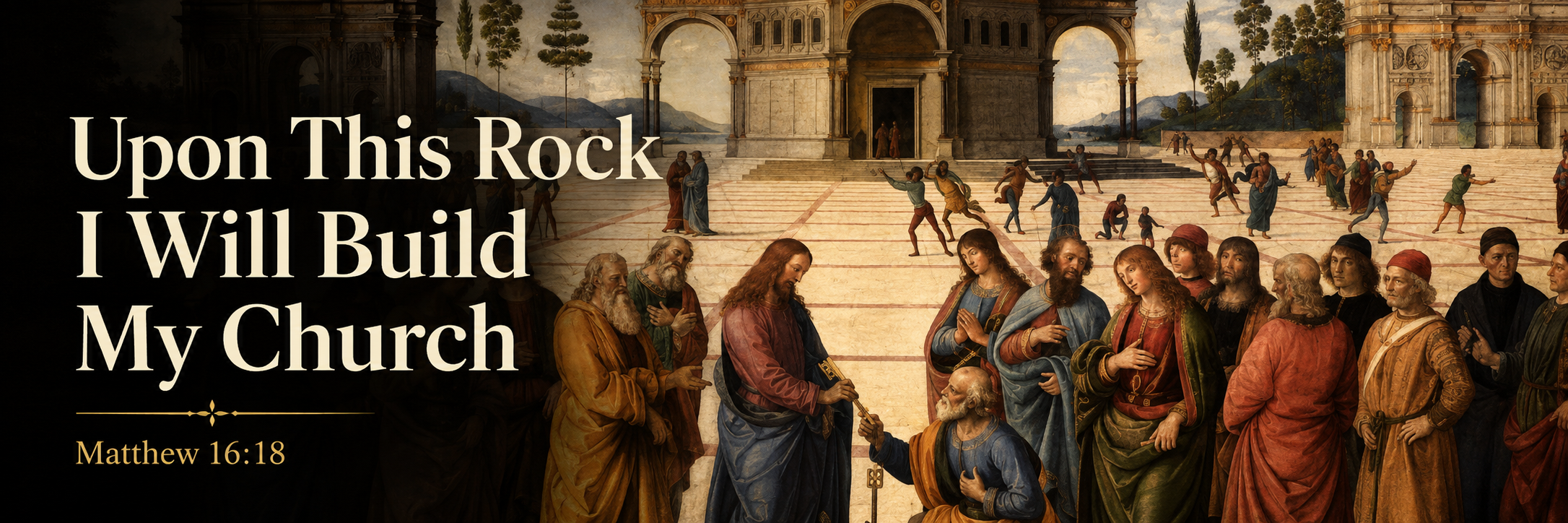
Jesus founded a visible Church, chose apostles, and sent them to teach, baptize, and make disciples. Christianity began with Christ and the Church He established.
Follow the Church Through History →
The Authority of the Church
Christ gave the apostles authority to teach in His name. They settled disputes, preserved the faith, and appointed others to continue their ministry.
Writings of the Church
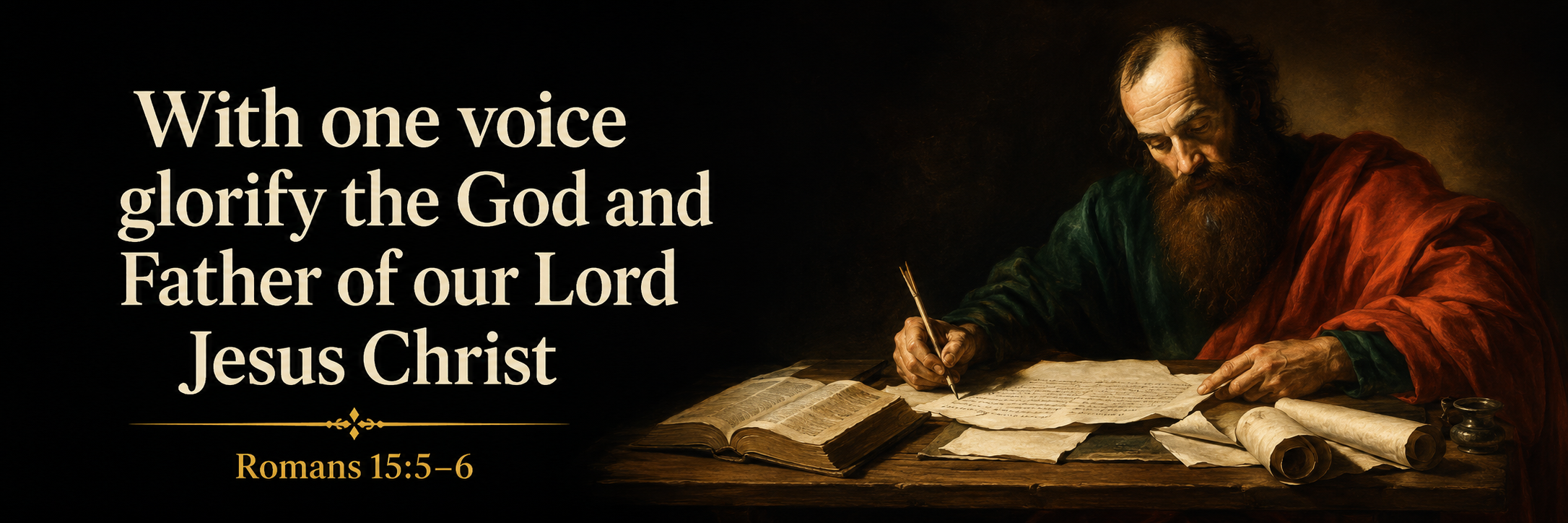
Before the New Testament was completed, there was already a teaching and worshiping Church.
Explore Scripture, Tradition & the Bible →
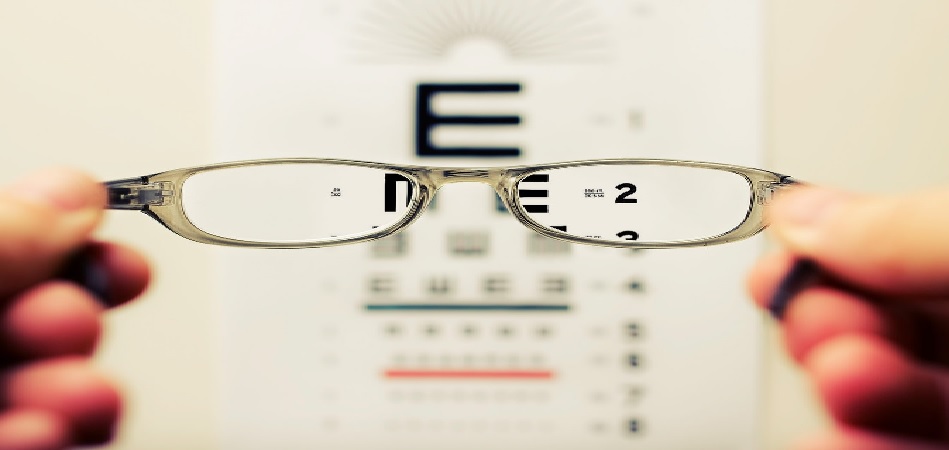
The Vision to See Clearly
If we don’t see the world clearly, we fall into confusion. When we see through Jesus's eyes, we see reality as it truly is. But when we rely only on our own perspective—even while looking at Jesus—we end up seeing not the real world, but the world as we want it to be.
Much of our confusion comes from pride. We assume our judgments are neutral and our conclusions obvious, so instead of learning, we interpret everything to confirm our own views. We reshape Christ into our preferences, soften what challenges us, and emphasize what flatters us.
Latest from Why Catholic
-
I Was Once A Catholic…
-
Why Leah Remini Could Not Convert Kevin James
-
The Great Apostasy Problem: God Boxed Himself In
-
Did Jesus Die on Wednesday? Understanding the “Two Sabbaths” Theory
-
Did Jesus Allow Divorce for Adultery?
-
Did Pope Francis Praise Lucifer? What Really Happened
-
The Benefits of Lent: A 40-Day Mind and Body Reset
-
Anti-Zionism vs Antisemitism: A Catholic Explanation
-
The History of Valentine’s Day: Who Was Saint Valentine?
-
Women Delaying Motherhood: What Modern Culture Won’t Tell You About Meaning and Family

You must be logged in to post a comment.